




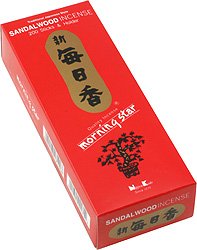
Sandalwood Incense Sticks joss Sticks Long-time Burns (105 pack 4 hours /39cm)

 4.7 (62 items)
 Limited Time Sale
$35.93 cheaper than the new price!!
Free cash-on-delivery fees for purchases over $99
Product details
| Management number | 214997236 | Release Date | 2026/04/12 | List Price | $23.96 | Model Number | 214997236 | ||
|---|---|---|---|---|---|---|---|---|---|
| Category | |||||||||
Combustible bouquets were used by the ancient Egyptians, who employed incense in both pragmatic and mystical capacities. Incense was burnt to counteract or obscure malodorous products of human habitation, but was widely perceived to also deter malevolent demons and appease the gods with its pleasant aroma. Incense burners have been found in the Indus Civilization (3300?1300 BCE).Evidence suggests oils were used mainly for their aroma. India also adopted techniques from East Asia, adapting the formulation to encompass aromatic roots and other indigenous flora. This was the first usage of subterranean plant parts in incense. New herbs like Sarsaparilla seeds, frankincense, and cypress were used by Indians. At around 2000 BCE, Ancient China began the use of incense in the religious sense, namely for worship.Incense was used by Chinese cultures from Neolithic times and became more widespread in the Xia, Shang, and Zhou dynasties. The earliest documented use of incense comes from the ancient Chinese, who employed incense composed of herbs and plant products (such as cassia, cinnamon, styrax, and sandalwood) as a component of numerous formalized ceremonial rites. Incense usage reached its peak during the Song dynasty with numerous buildings erected specifically for incense ceremonies. Brought to Japan in the 6th century by Korean Buddhist monks, who used the mystical aromas in their purification rites, the delicate scents of Koh (high-quality Japanese incense) became a source of amusement and entertainment with nobles in the Imperial Court during the Heian Era 200 years later. During the 14th-century Ashikaga shogunate, a samurai warrior might perfume his helmet and armor with incense to achieve an aura of invincibility (as well as to make a noble gesture to whoever might take his head in battle). It wasn't until the Muromachi period during the 15th and 16th century that incense appreciation (k?d?) spread to the upper and middle classes of Japanese society.
- 15.7in/40cm long, 21 stick packed, 310g
- 4 hours long burning time
- Scent:Sandalwood
- This incense stick is more suitable for outdoor places, such as gardens and churches. Its odor spreads very fast, and you can smell its odor from far away. If you use it in a small space, you'd better open the windows for ventilation.
- Please note: Since the diameter of the incense stick is very thick, you had better ignite it with a large flame. If you want to light it up with lighter, please be patient If you want to extinguish it, please use water!
| UPC | 717461541408 |
|---|---|
| Item Form | Stick,Sticks |
| Brand Name | EngooBoly |
| Scent Name | Sandalwood |
| Unit Count | 105.0 Count |
| Item Length | 15.35 Inches |
| Manufacturer | SINAWIND |
| Material Type | Sandalwood |
| Product Benefits | Stress Relief |
Incense


Correction of product information
If you notice any omissions or errors in the product information on this page, please use the correction request form below.
Correction Request Form